
Google has officially announced Material 3 Expressive at I/O 2025, marking the most significant evolution of its design language since Material You's introduction. This update represents a fundamental shift in how Android applications look, feel, and respond to user interactions, with a focus on emotional design and unprecedented customization capabilities.
A New Design Philosophy
Material 3 Expressive builds upon the personalization foundations of Material You while introducing what Google calls "Expressive Design" – a system that adapts not just to user preferences but to their emotional states and usage patterns. The update brings vibrant, context-aware color palettes that shift throughout the day, responding to ambient light conditions and user activity.
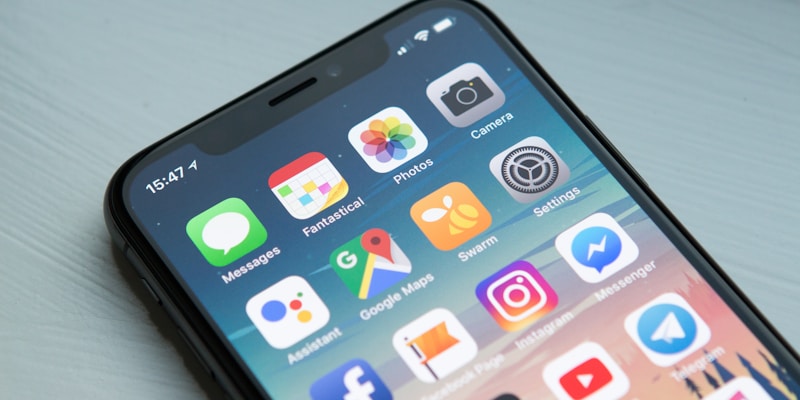
The centerpiece of this update is the new "Springy Animations" system, which Google's design team spent two years perfecting. These physics-based animations create a more organic, responsive feel that makes digital interfaces feel almost tactile. Every interaction, from button presses to screen transitions, now features subtle bounce and momentum that responds to the speed and force of user gestures.
"We're not just designing interfaces anymore; we're crafting emotional experiences that understand and respond to human needs."
Key Features and Innovations
Dynamic Theming 2.0
Extends beyond wallpaper colors to include mood-based palettes, seasonal variations, and time-of-day adjustments.
Live Updates Framework
Real-time tracking and updates for deliveries, flights, and events directly in the UI without opening apps.
Adaptive Layouts
Interfaces that reorganize based on usage patterns, putting frequently used features within easier reach.
Cross-Device Harmony
Seamless design continuity across phones, tablets, watches, and Android TV with synchronized themes.
Research-Driven Design Decisions
Google's design team conducted extensive research with over 18,000 participants across 12 countries to understand how people emotionally connect with their devices. The findings revealed that users want interfaces that feel alive and responsive, not just functional. This led to the development of "Emotion-Driven UX," where interface elements subtly respond to user behavior patterns.
The research also highlighted a growing desire for interfaces that reduce cognitive load while maintaining visual interest. Material 3 Expressive addresses this through intelligent information hierarchy and progressive disclosure, showing users exactly what they need when they need it.
Developer Tools and Migration
Google is providing comprehensive migration tools for developers, including automated theme generators, animation libraries, and component templates. The new Material Design Kit for Figma includes over 2,000 customizable components, making it easier for designers to create Material 3 Expressive interfaces.
Android Studio now features a built-in Material 3 theme editor with real-time preview across different device types and user preferences. Google estimates that most apps can migrate to the new design system with minimal code changes, thanks to backward compatibility layers.
Impact on the Android Ecosystem
With Android powering over 3 billion devices globally, Material 3 Expressive will reshape how billions of users interact with technology daily. Early adopters including Spotify, Twitter, and Microsoft have already begun implementing the new design language, reporting increased user engagement and satisfaction scores.
Samsung has announced that One UI 7, launching with the Galaxy S26 series, will incorporate Material 3 Expressive elements while maintaining its distinctive design identity. Other manufacturers like OnePlus and Nothing are following suit, signaling broad industry adoption.
Looking Ahead
Material 3 Expressive represents more than just a visual update – it's a fundamental rethinking of how digital interfaces can connect with human emotions and needs. As AI and machine learning continue to advance, Google hints at future updates that will make interfaces even more predictive and personalized.
The rollout begins with Android 16 Developer Preview 2 this month, with a full public release expected by August 2025. Google Workspace apps will be among the first to showcase the new design language, followed by third-party applications throughout the year.